Pet medical equipment
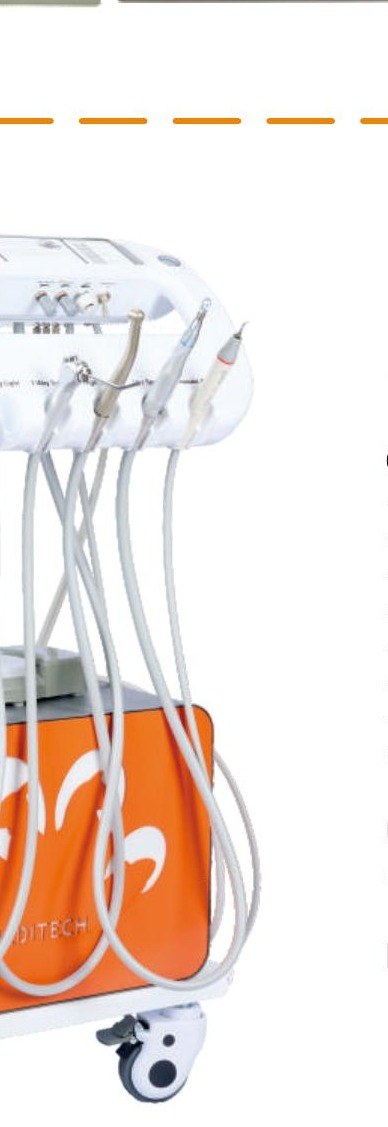
DTS-180 Animal Dental System
DTS-180 Animal Dental System
Request a Quote
Tell us the quantity and destination — we reply with a proforma invoice and payment details. We accept USD bank transfer (T/T), ACH and wire.
Chat on WhatsApp — instant replyThe DTS-180 is a veterinary dental system built around an oil free air compressor and an LED-illuminated ultrasonic scaler handpiece. It's the entry point into proper veterinary dentistry — scaling, polishing and extraction capability without the imaging system, and priced accordingly.
PetMedTools supplies this veterinary dental unit quote-first. Tell us your destination country and expected quantity and we'll issue a formal quotation with a proforma invoice.
Oil free is the specification that matters
Standard air compressors lubricate with oil, and traces of that oil travel with the compressed air. In an industrial setting nobody cares. In a patient's mouth it's contamination, and it degrades the handpieces it passes through.
An oil free compressor eliminates the problem at source rather than filtering it downstream. It also removes the oil change from your maintenance schedule, which in a busy practice means removing a task that gets forgotten.
This is the single most important specification on an entry-level dental unit, and it's the one most often traded away to hit a price point. If you're comparing this against a cheaper machine, check whether that machine is oil free before anything else.
Compressor specification
- Power: AC 120/220V 50/60Hz
- Power: 550W
- Current: 2.4A
- Airflow: 70L/min
- Exhaust pressure: 0.8Mpa
- Noise: ≤60dB
- Temperature of usage: 5-40°C
- Atmospheric pressure: 70-106kPa
70L/min airflow at 0.8Mpa is what determines whether the unit keeps up during continuous work. Airflow that can't sustain a high-speed handpiece means waiting for pressure to recover mid-procedure, and on a long dental that adds up.
60dB in a room nobody soundproofed
Noise at or below 60dB is roughly normal conversation level.
Veterinary dental tables are rarely in dedicated soundproofed rooms. They're in prep areas, treatment rooms, sometimes a corner of the ward. Everything the compressor does, the recovering patients hear, the staff hear, and often the waiting clients hear too.
A loud compressor is one of those purchases people regret quietly for years without ever quite identifying the cause of the fatigue.
The LED scaler handpiece
The ultrasonic scaler handpiece carries LED self-illumination, which the manufacturer notes makes the operation easier.
This is not a gimmick. Working at the back of a dog's mouth means your own head and hands block the overhead light exactly where you're trying to see. Illumination at the tip puts light where the work is instead of where the lamp happens to point.
Caudal molars are where periodontal disease is worst and visibility is poorest. Anything that improves the view there improves the quality of the dental.
Upgradeable disinfectant system
The unit can be upgraded to a disinfectant system. Waterlines in dental equipment develop biofilm — it's a known problem in human dentistry with a substantial literature, and the physics are identical in veterinary equipment.
Whether you need the upgrade depends on caseload volume. A practice doing two dentals a week and one doing fifteen have genuinely different waterline risk profiles. Ask us about it at quotation rather than discovering the option exists a year later.
What this unit doesn't do
We'd rather set this out plainly than let you find out after delivery.
There's no imaging. Dental radiography is not a luxury in modern veterinary dentistry — a substantial proportion of pathology sits below the gumline and is invisible on visual examination alone. Extraction decisions made without radiographs are made with incomplete information.
There's also no electric motor with reduction gearing, so endodontics is not on the table. Root canal work needs the 16:1 and 20:1 ratios found on the DTS-P302.
If either of those is in your plan, buy the unit that does it rather than upgrading later. If your dentistry is scaling, polishing and straightforward extractions with radiography handled separately, this unit is correctly specified for that job.
DTS-180, DTS-P302 or DTS-280?
DTS-180 — this unit. Oil free compressor, LED ultrasonic scaler, upgradeable disinfectant. Scaling and polishing.
DTS-P302 — adds an electric motor with four gear ratios: 16:1 at 150-2500 RPM, 20:1 at 100-2000 RPM, 1:1 at 2000-40000 RPM, and 1:5 speed increasing at 10000-200000 RPM. The two reduction ratios are what make root canal work possible. Its compressor runs 220V:550W/2.5A or 110V:550W/5A with a 10L air tank.
DTS-280 — the all-in-one with dental unit, X-ray system, oral camera and touch screen displays, a 180° rotating arm at 80cm*2, and a portable lithium-battery X-ray at 65kV fixed and 2mA fixed with a 0.4mm focal spot.
Our veterinary dental equipment buying guide works through which suits which practice.
Sizing the purchase against your actual caseload
Dental equipment gets bought on aspiration and used on reality. It's worth being honest with yourself about which you're doing.
A practice doing two or three dentals a week needs reliable scaling and polishing, sound extraction instruments and a way to take radiographs. That's this unit plus a standalone X-ray, and it will serve for years.
A practice doing ten or more a week is running a dental service rather than offering dentals, and the calculation changes. Chair time becomes the constraint, integration starts paying for itself, and the arm-mounted imaging on the DTS-280 saves minutes on every single patient.
The mistake we see most often runs in the other direction, though. Practices buy the top unit expecting volume to follow, and the volume follows only if someone in the building actively builds the service — dental checks at vaccination, clear owner communication, a nurse who owns the recall list. The equipment doesn't generate the caseload. Buy for the caseload you have, and upgrade when you've outgrown it.
Building the dental service around it
If you buy this unit, plan your radiography separately. The dental X-ray and sensor category lists standalone options that pair with an entry-level workstation.
Dentals are long, low-stimulation anaesthetics where hypothermia is the main risk — the veterinary anesthesia machine buying guide and veterinary patient monitor buying guide cover matching equipment to that.
Hand instruments, elevators and burs are in dental instruments and sets, scaler tips in the dental ultrasonic scaler range, consumables in dental consumables, and sterilisation in dental sterilisation. The veterinary dental accessories buying guide and buying guides hub cover the rest.
What to confirm before you order
The DTS-180 is manufactured by TooToo MediTech Co., Ltd. Everything above comes from the manufacturer's published specification. Four things to settle at quotation:
Voltage. The compressor is specified for both 120V and 220V. Confirm which you're being quoted.
Handpieces included. Confirm exactly which handpieces ship with the unit and which are extra.
Disinfectant upgrade. Decide now or understand what retrofitting involves.
Service and warranty. Get warranty length and service arrangements on paper alongside the quotation.
Buying a DTS-180
We work quote-first, so there's no price on this page. Send the models you're comparing, expected quantity, destination country and any certification, accessory or packaging requirements. We issue a proforma invoice against that, payment is by USD bank transfer — T/T, ACH or wire — and we ship once it clears.
Tell us how many dentals you do a month and whether radiography is already covered. Those two answers, more than anything else, determine which of the three units is the right purchase — and we'd rather point you at the cheaper one than sell you capability that sits unused. Comparing across categories? Start from the full product range.