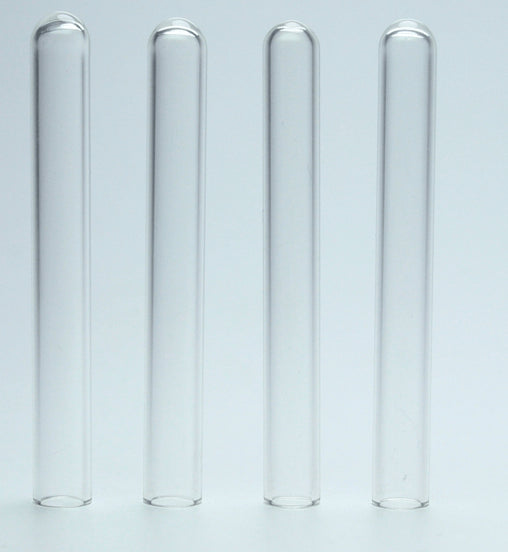
Veterinary laboratory equipment for US clinics covers the analyzers, centrifuges, microscopes, and consumables a practice needs to run diagnostics in-house — from 5-part hematology and cartridge blood gas to urinalysis and cytology. Built for practice owners and lab managers comparing verified specifications before requesting trade pricing.
How to choose veterinary laboratory equipment
Four decisions drive every lab purchase. For the full framework, see our veterinary blood analyzer buying guide.
| Decision |
What to compare |
How to call it |
| Test menu first |
Panels you send out most — CBC, chemistry, blood gas, urinalysis |
Buy for your top three send-out tests; replacing them pays for the analyzer first |
| Throughput |
Tests per hour against your busiest day |
Up to 60 tests/hour covers most general practices; add headroom for surgical screens |
| Sample volume |
Microliters of whole blood per run |
≤20 µL matters for cats, kittens, and exotics — smaller draws, easier redraws |
| Species coverage |
Multi-species algorithms in the software |
Mixed practices should confirm dog, cat, rabbit, and equine profiles |
Compare key models by specification
Every figure comes from each product's published specification; anything not published is marked On request.
| Model |
What it runs |
Key verified specifications |
Footprint |
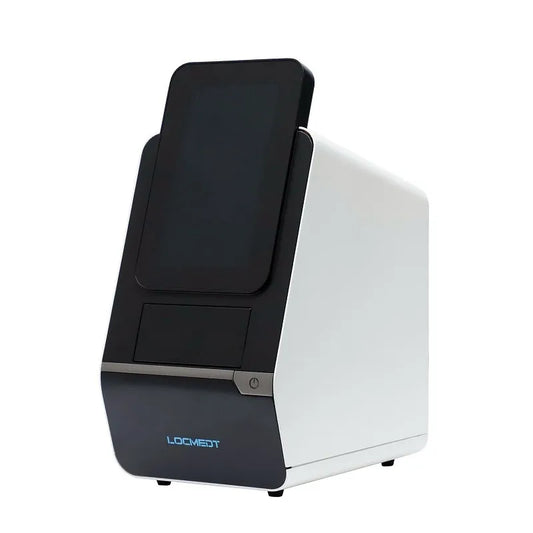
| DF56 VET 5-Part Auto Hematology Analyzer |
23-parameter 5-part CBC |
≤20 µL sample; up to 60 tests/hour; 50,000 records; 10.4-inch touchscreen |
364×498×431 mm |
| VH30 3-Part Hematology Analyzer |
3-part CBC, 18+ species |
10 µL whole blood (20 µL pre-diluted); 60 samples/hour; 600,000 results |
430×280×435 mm; 17.5 kg |
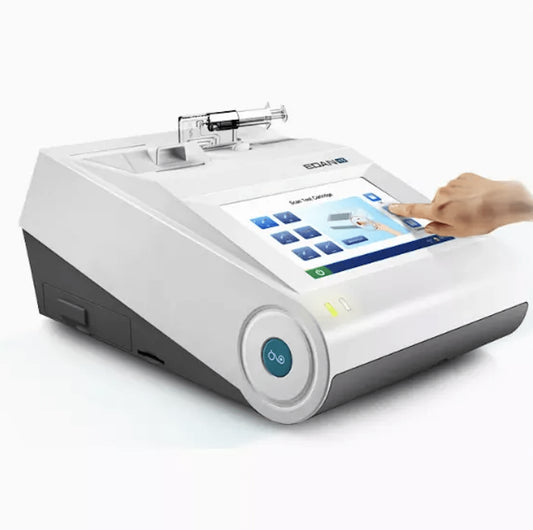
| I-15vet Blood Gas and Chemistry Analyzer |
BG8/BG10 cartridges: blood gas, electrolytes, metabolites |
140 µL sample; results in about 1 minute; 4200 mAh battery; 7-inch LCD |
238×153×310 mm; 3.65 kg |
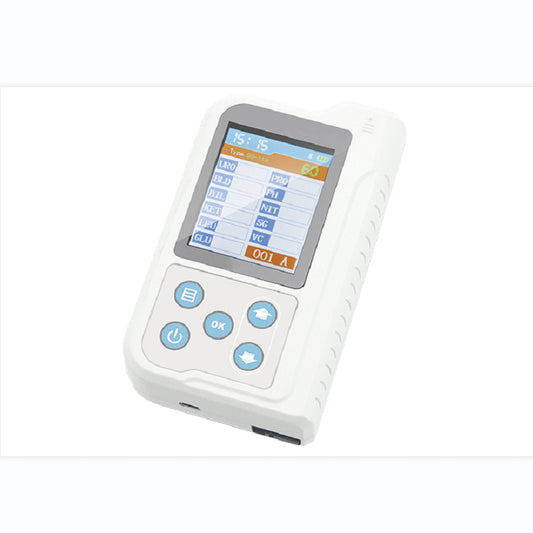
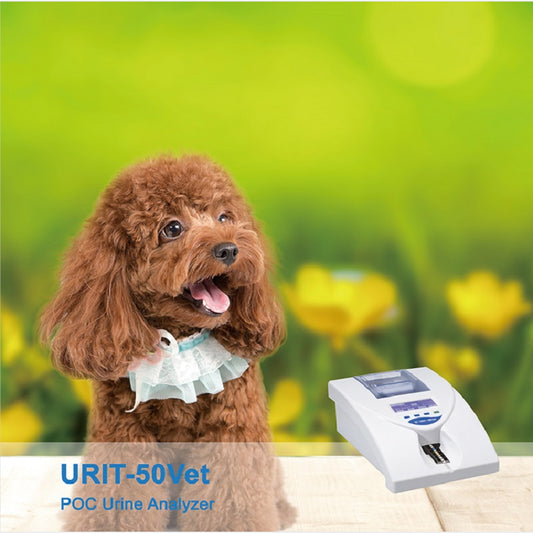
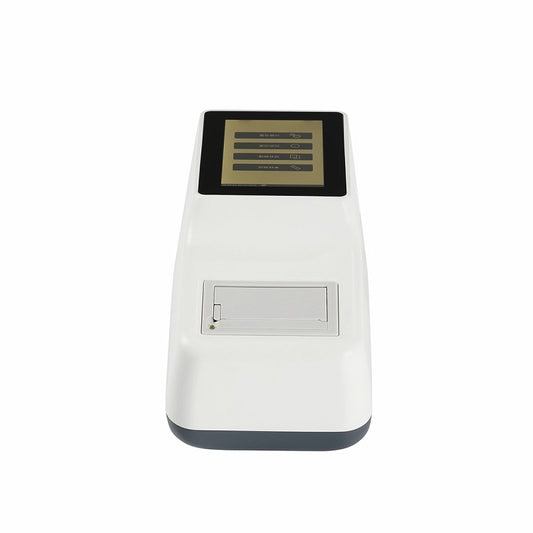
| Urit-50vet POC Urine Analyser |
13+1 urine parameters |
Up to 120 tests/hour; 5,000 results; internal thermal printer |
290×200×100 mm; 2 kg |
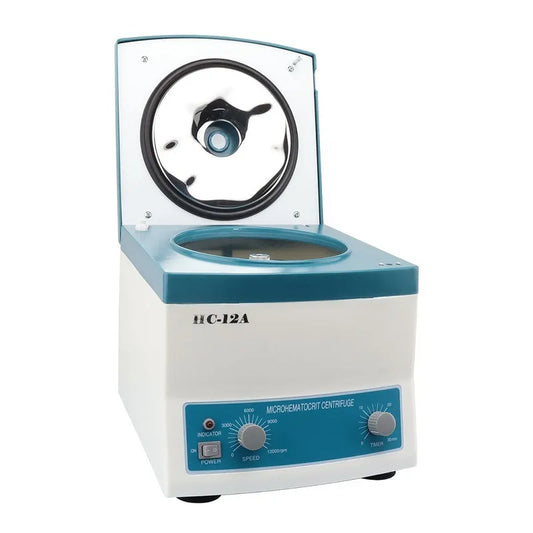
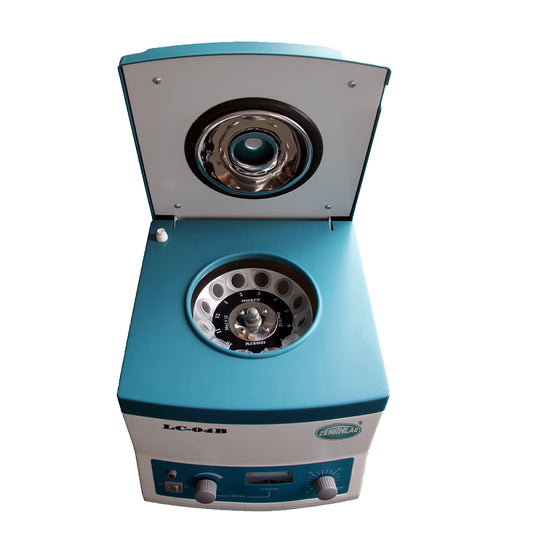
| HC-12A Hematocrit Centrifuge |
Microhematocrit with built-in reader |
12,000 RPM; 15,300×g; holds 24 capillary tubes |
280×310×265 mm |
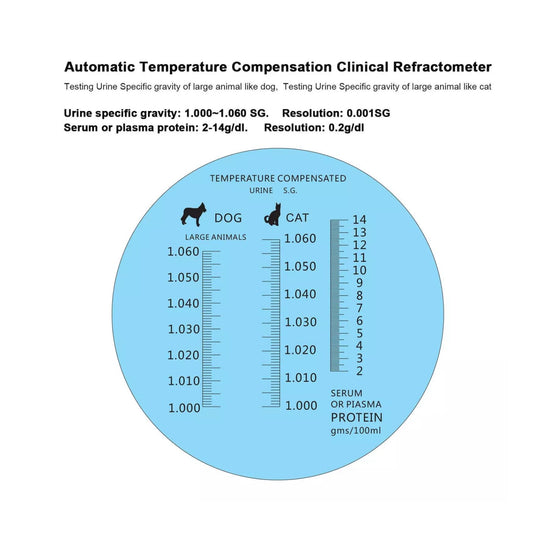
| ATC Animal Clinical Refractometer |
Urine specific gravity and serum protein |
Triple scales: dog SG, cat SG (1.000–1.060), serum protein (2–14 g); auto temperature compensation |
On request |
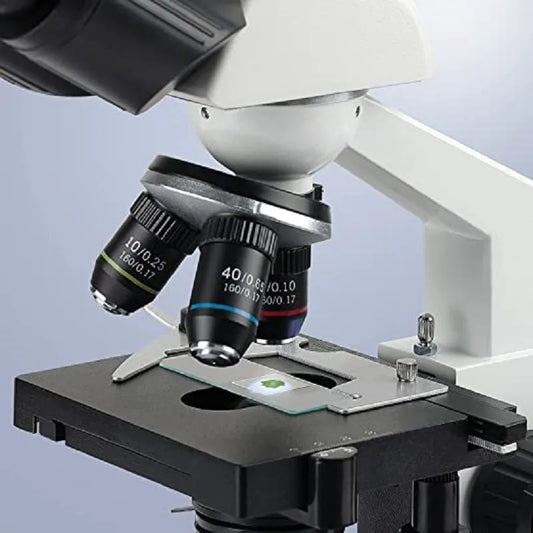
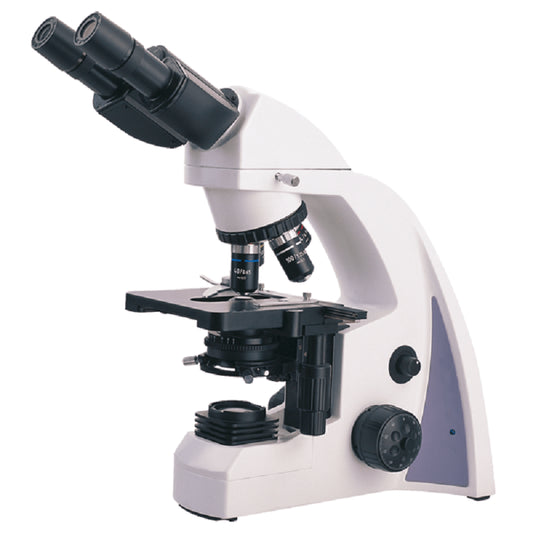
| TT-2016 LCD Biological Microscope |
Cytology and smear review |
Plan achromatic 4X/10X/40X/100X objectives; 8-inch LCD; 3W LED Kohler illumination |
On request |
Which setup fits your practice
Small animal GP. A 3-part or 5-part hematology analyzer, chemistry or cartridge blood gas, a urine analyzer, a centrifuge, and a refractometer cover daily diagnostics — from surgical screens to workups like elevated liver enzymes in dogs or a vomiting cat.
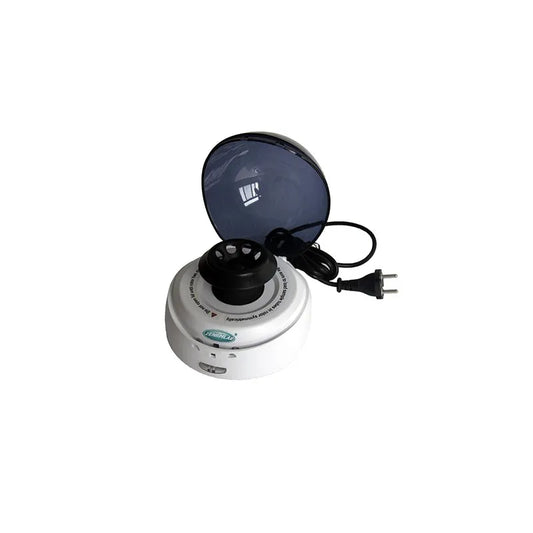
Mobile or mixed practice. Weight and battery decide everything. The I-15vet runs about 50 samples on its 4200 mAh battery, the ATC refractometer needs no power, and the MC-04 micro centrifuge weighs 2 kg.
Emergency and critical care. Prioritize turnaround: cartridge blood gas in about a minute, 5-part hematology at up to 60 tests/hour, 50,000+ records, and HL7/LIS connectivity for hospital systems.
Teaching and research. LCD-display microscopes like the TT-2016 let a group share one field, the VN8 PCR amplifies pathogen panels in about 60 minutes, and the FA2004 balance reads to 0.0001 g.
Frequently asked questions
What veterinary laboratory equipment should a new clinic buy first?
Start with a hematology analyzer, chemistry or cartridge blood gas, a urine analyzer, a centrifuge, and a refractometer; add a microscope once cytology volume justifies it. Buy against your three most frequent send-out tests — those are the lines that repay the investment fastest.
What is the difference between a 3-part and a 5-part hematology analyzer?
A 3-part analyzer sorts white cells into three populations; a 5-part separates five — neutrophils, lymphocytes, monocytes, eosinophils, basophils — usually by laser flow cytometry. Choose 5-part when the differential changes decisions for sick or geriatric patients; 3-part covers routine screening at lower reagent cost.
How much sample do veterinary analyzers need per run?
Benchtop hematology analyzers here run on 10–20 µL of whole blood — the VH30 draws 10 µL, the DF56 and VH50 ≤20 µL — while the I-15vet aspirates 140 µL. Sample volume is the spec to watch for feline and exotic patients, where every microliter counts.
Can one hematology analyzer run dog, cat, and other species?
Yes. These analyzers ship with multi-species software: the DF56 lists dog, cat, rabbit, cow, horse, and more; the VH30 supports 18+ species, while the VH50 listing names 18 species. Species-specific algorithms matter because reference ranges and cell behavior differ — confirm your species list before ordering.
How do I get pricing for veterinary laboratory equipment?
Analyzer pricing is quoted per configuration — species list, reagents, and accessories all change the figure — so we don't publish list prices. Send your shortlist through the Request a Quote page below for trade pricing on request, with consumables matched to your daily volume.
Ready to spec your lab bench?
Send your shortlist through Request a Quote — trade pricing on request, with reagent bundles and consumables quoted to your species mix and volume.