Veterinary oxygen therapy equipment gives US clinics a controlled way to support dyspneic patients — from concentrators that generate oxygen on site to the regulators, flowmeters, masks, aerosol chambers, and tubing that deliver it. This collection serves practices comparing flow capacity and setup options before requesting trade pricing.
How to choose veterinary oxygen therapy equipment
Four decisions shape every oxygen setup; work through them in order and the shortlist falls out naturally.
| Decision |
What to compare |
How to call it |
| Oxygen source |
Concentrator vs. cylinder with a regulator |
Concentrators end refill logistics for daily use; keep a cylinder and regulator as backup or for mobile work |
| Flow capacity |
Rated liters per minute — 5 L vs. 10 L class |
5 L covers cage and mask support for most small-animal patients; choose the 10 L high-pressure class for larger dogs or two stations |
| Delivery interface |
Mask, aerosol chamber, tubing |
Match the interface to the patient: masks for direct support, chambers for inhaled medication in cats, kink-resistant tubing between everything |
| Fixed vs. portable |
Wall-fixed flowmeter vs. standalone units |
Wall-fixed hardware suits a permanent treatment room; standalone concentrators move between treatment, surgery, and recovery |
Compare the range by specification
Every figure comes from the product listing itself; anything not published is marked On request.
| Product |
Role in the setup |
Verified specifications |
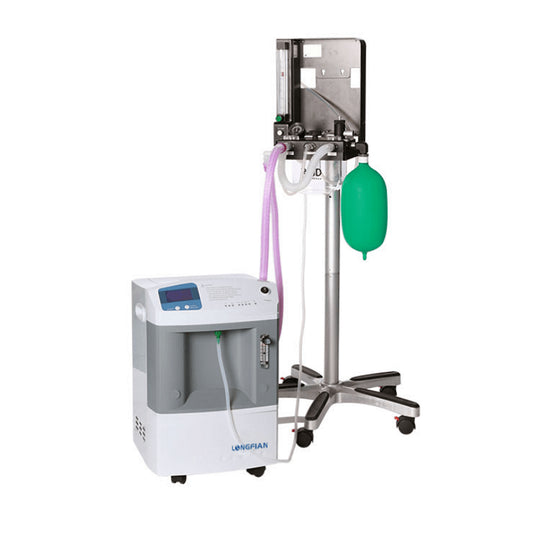
| VET-5A Veterinary Oxygen Concentrator |
Primary oxygen source |
5 L model designation; flow range and concentration On request |
| VET-10-10L High-Pressure Oxygen Concentrator |
Higher-flow or multi-station source |
10 L high-pressure model designation; outlet pressure On request |
| Wall Fixed Gas Flowmeter |
Fixed flow control at the wall station |
Wall-mounted; flow range On request |
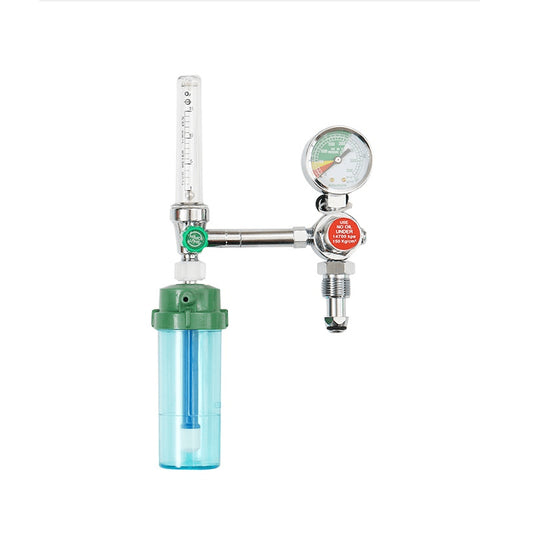
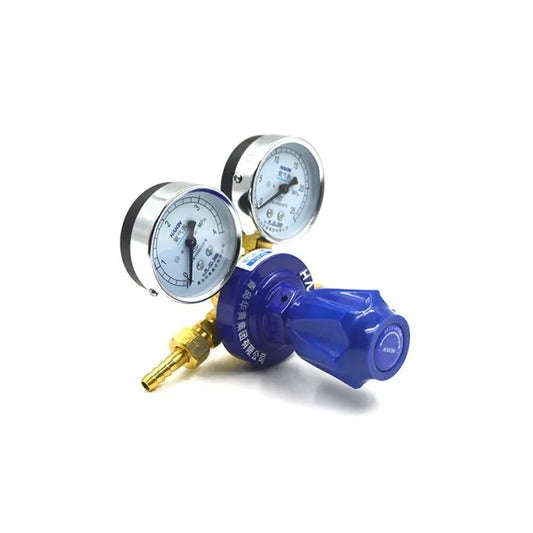
| Medical Oxygen Regulator |
Cylinder pressure and flow control |
Specifications On request |
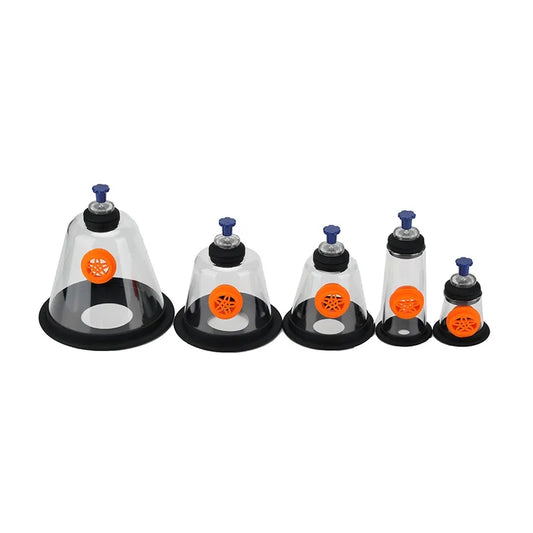
| Animal Oxygen Mask |
Direct patient delivery |
Sizes and set contents On request |
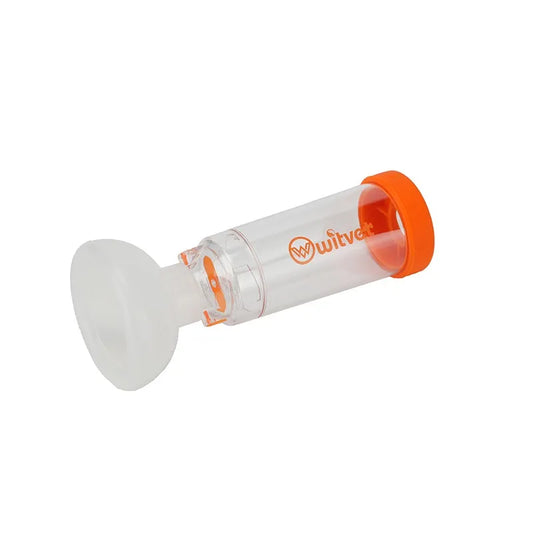
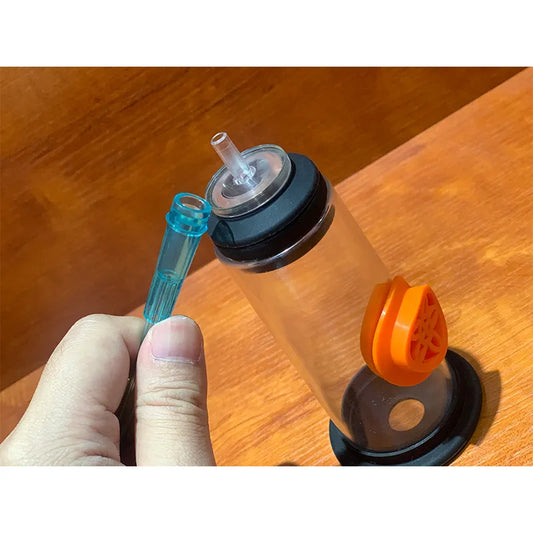
| Pet Aerosol Chamber with Mask |
Inhaled medication delivery |
Sized for dogs and felines; chamber volume On request |
| PVC Flexible Oxygen Tubing |
Connects source to patient interface |
Transparent PVC; star-lumen anti-kink inner support; typical size 3.5 mm ID × 5.7 mm OD |
Which setup fits your practice
Small animal GP. A 5 L concentrator, mask set, and PVC tubing cover daily support — post-anesthetic recovery, cage-side oxygen, and flow-by while you work through the causes behind a panting dog.
Mobile or mixed practice. A cylinder with a medical oxygen regulator sidesteps the power question. Pair it with a mask-and-tubing kit that lives in the vehicle, sized for the largest dog you support.
Emergency and critical care. Step up to the 10 L high-pressure concentrator class, put wall-fixed flowmeters at each station, and hold a backup cylinder on a regulator so no single failure interrupts a patient mid-therapy.
Teaching and research. Wall-fixed hardware and clearly rated tubing make student handling predictable, and aerosol chambers double as a demonstration tool for inhaled-therapy technique in feline asthma cases.
Frequently asked questions
What equipment do I need to start veterinary oxygen therapy?
At minimum: an oxygen source such as a 5 L concentrator or a cylinder with a regulator, a flowmeter, tubing, and a patient interface such as a mask. Add an aerosol chamber for feline inhaled-medication cases, and a backup cylinder if your clinic is the local emergency option.
Should my clinic buy an oxygen concentrator or use cylinders?
Concentrators suit daily oxygen use because they end refill scheduling; cylinders suit low-volume, mobile, or backup work. Most practices run both — concentrator as primary, cylinder standing by. Flow demand sets the class: 5 L for most small-animal work, 10 L high-pressure for multi-station or larger patients.
How do I choose between a 5 L and a 10 L concentrator?
Match rated flow to your largest simultaneous demand. A 5 L unit covers cage and mask support for typical small-animal patients; the 10 L high-pressure class serves larger dogs, two stations, or setups feeding anesthesia equipment. If oxygen use is growing, buy the headroom now.
Can cats use the same oxygen masks as dogs?
The masks and tubing are shared, but the interface often differs — many cats tolerate a chamber or flow-by delivery better than a close mask during asthma-type flare-ups. Size and seal matter more than species label; review fitting basics in our guide to dog oxygen mask therapy.
How do I get pricing on veterinary oxygen equipment?
Oxygen setups are quoted per configuration — concentrator class, wall hardware, mask sizes, and consumables — so we don't publish list prices. Send your list through the Request a Quote page below for trade pricing on request, including bundle pricing for a full treatment-room fit-out.
Ready to build your oxygen setup?
Tell us your room layout and patient mix through Request a Quote — trade pricing on request, with concentrators, regulators, masks, and tubing quoted as one matched system.