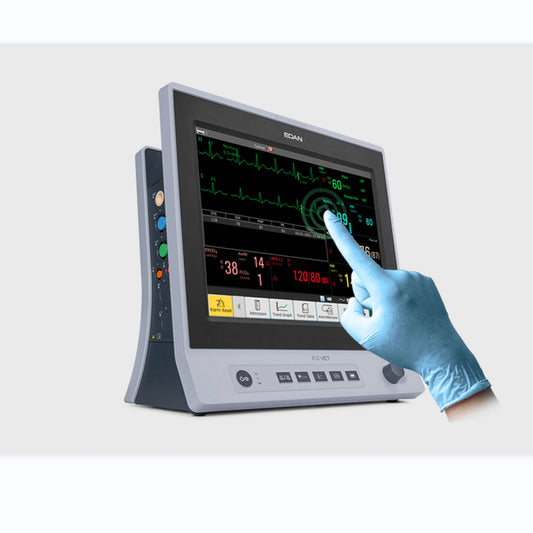
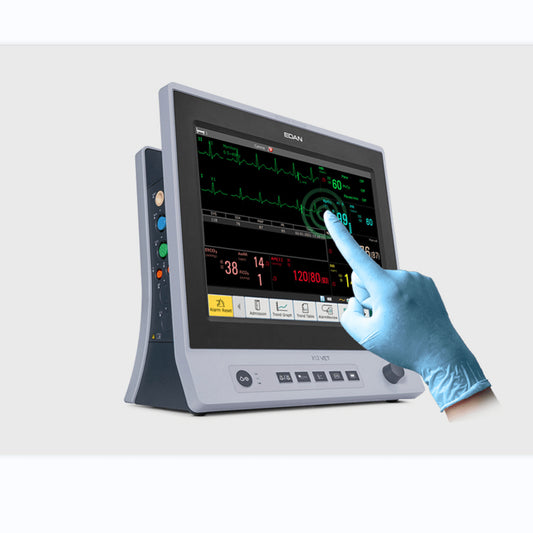
Veterinary patient monitors built for US clinics that need vital-signs data they can act on — from treatment-room spot checks to surgery, anesthesia, and recovery. This line covers every level of practice: compact SpO2 and NIBP units for general exams, capnography-equipped monitors for anesthesia-heavy hospitals, and ECG/defibrillator systems for critical care.
How to choose a veterinary patient monitor
Match the machine to the cases you see most. Our portable vet monitor buying guide covers the full decision; the table below is the short version.
| Decision axis |
Why it matters |
What to look for |
| Parameters by use case |
Match spend to caseload. |
SpO2 + NIBP is the GP baseline; add EtCO2 for anesthesia-heavy work; ECG for cardiac cases. |
| Screen size & portability |
Readability at a distance. |
4–5" handhelds for spot checks; 8–12" touch screens for treatment rooms. |
| Battery life |
Outlets aren't always nearby. |
Lithium-ion runtime of 8 hours or more keeps a unit moving between rooms. |
| Probes & consumables |
Recurring cost lives here. |
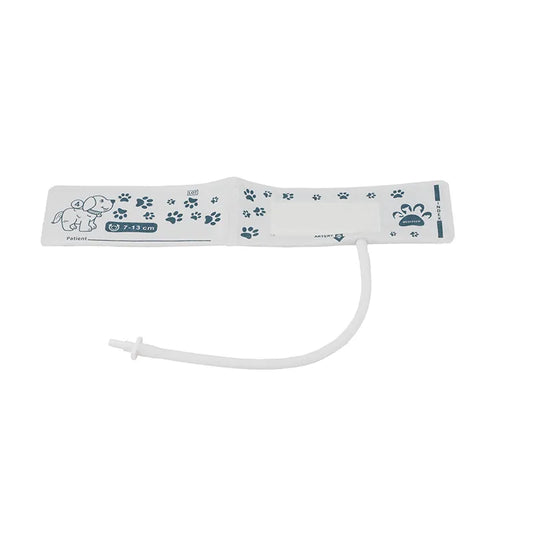
Cuff sizes 1–5, disposable cuff options, mainstream vs sidestream CO2 sensors. |
| Data & alarms |
Daily usability. |
Trend storage with user IDs, adjustable audio/visual alarm limits, Wi-Fi or central-station export. |
Compare the monitor models in this collection
| Model |
Parameters measured |
Screen |
Battery / power |
Notes |
| X8 |
On request |
8" touch screen |
Low-power, fanless |
Ultra-slim compact build |
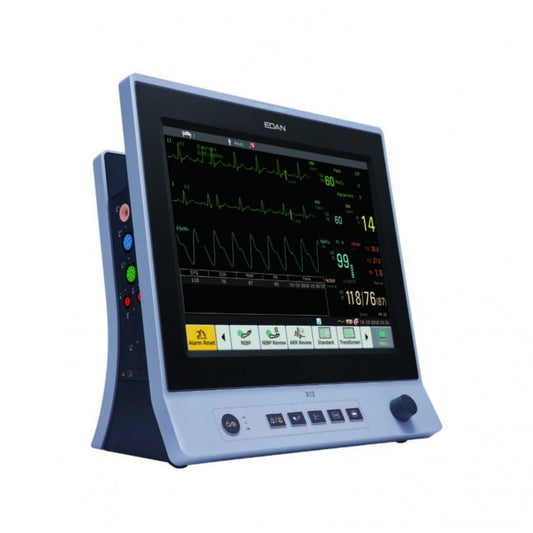
| X12 |
On request |
12" touch screen |
Low-power, fanless |
Ultra-slim compact build |
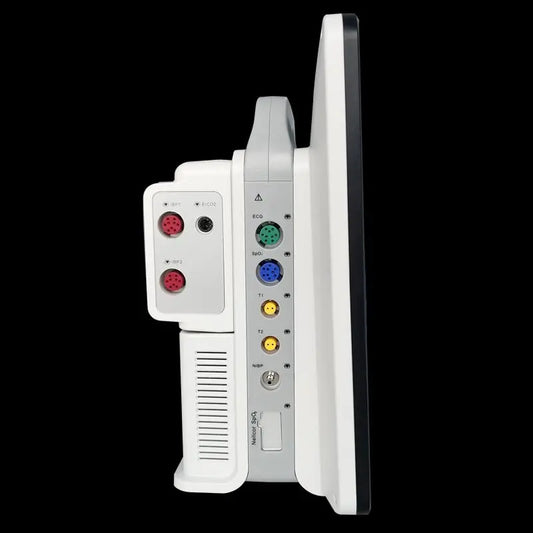
| X12 with capnography & trolley |
EtCO2 (capnography) |
12" touch screen |
Low-power, fanless |
Trolley-mounted |
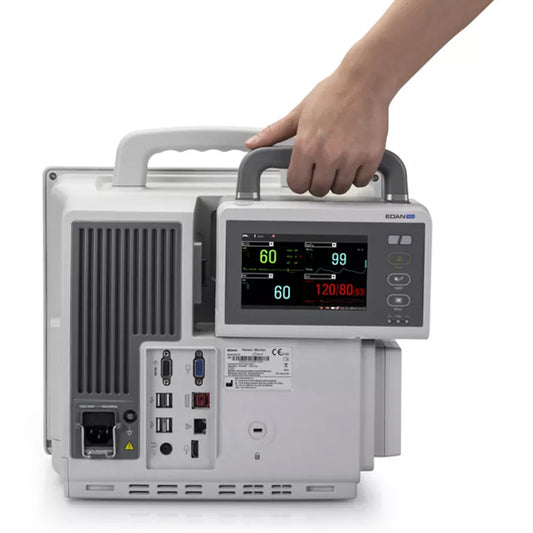
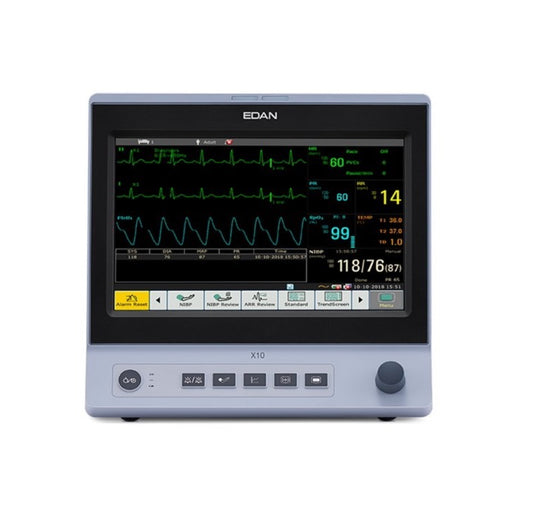
| Edan X10 with capnography |
Capnography (expandable) |
10.1" LCD touch screen |
Fanless; portable |
Built-in Wi-Fi |
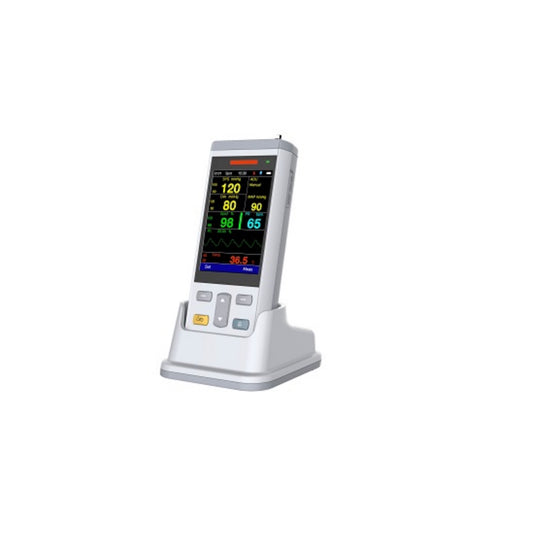
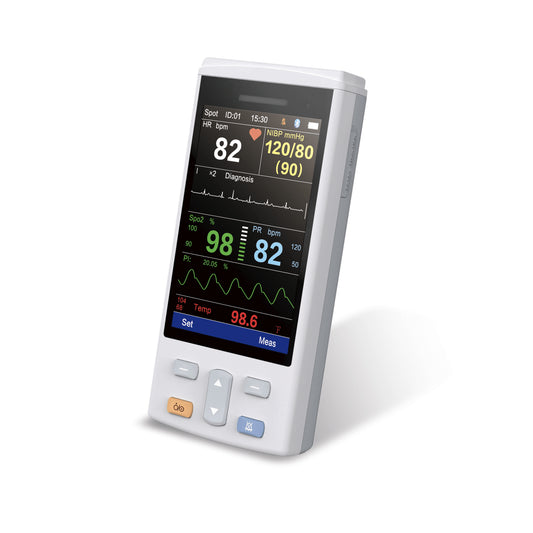
| M3S / M3T / M3E / M3C |
SpO2; SpO2+NIBP+TEMP; SpO2+NIBP+mainstream EtCO2; SpO2+EtCO2 |
4.3" color TFT |
Li-ion, 8 hrs continuous |
PI 0.05–20%; 100 user IDs |
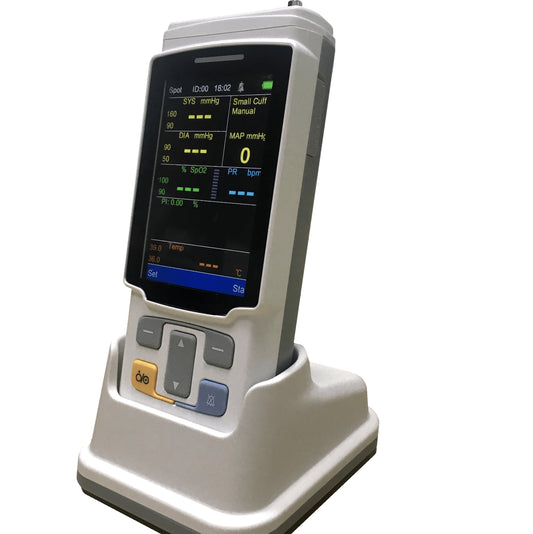
| T4 series (T4S–T4SE) |
SpO2, NIBP, TEMP, mainstream or sidestream EtCO2 by variant |
On request |
Li-ion; charging dock |
PI 0.05–20%; spot & monitoring modes |
| M6 / M6E / M6S mini |
On request |
On request |
On request |
Compact mini format |
| V5 / V6 modular transport |
On request |
Touch screen |
On request |
iM20 module; Wi-Fi central-station link |
| IE15V module monitor |
Multi-parameter (details on request) |
On request |
On request |
Modular platform |
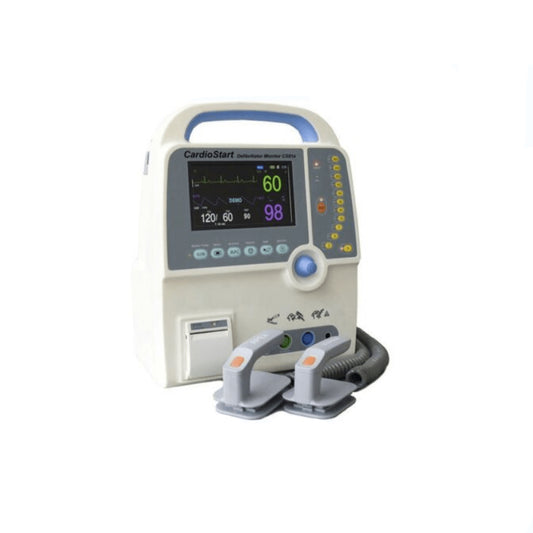
| Cardio VET-30 defibrillator monitor |
3-/5-lead ECG; SpO2 optional; biphasic defib to 360 J |
7" TFT, 800×480 |
2× Li-ion 4000 mAh; up to 10 hrs ECG |
7.5 kg; built-in thermal recorder |
| Cardio VET-10 defibrillator monitor |
On request |
On request |
On request |
On request |
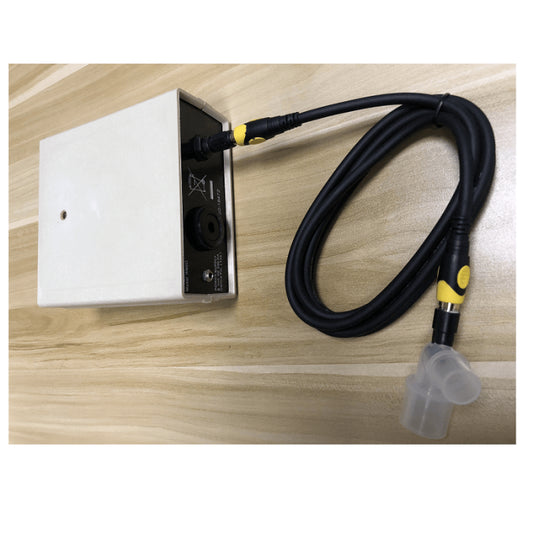
| Portable apnoea detector |
Respiration / apnea |
On request |
On request |
Anesthesia respiration support |
Which setup fits your practice
GP treatment room: A compact SpO2 + NIBP unit — the M3T or a T4 variant — handles pre-op screens and senior checks without crowding the counter.
Surgery & anesthesia-heavy: Capnography earns its keep here. The trolley-mounted X12 with EtCO2, the Edan X10, or an M3E/T4E variant tracks ventilation from induction through recovery.
Emergency & critical care: Cardiac cases — dog heart failure workups or a post-collapse patient — call for ECG and defibrillation. The Cardio VET-30 pairs 3-/5-lead ECG with biphasic energy to 360 J.
Mobile & field: Weight and battery decide everything outside the building. A T4 or M3 handheld with an 8-hour lithium-ion battery and a cuff kit covers house-call vitals.
Frequently asked questions
What parameters should a general practice monitor cover?
SpO2 and NIBP are the working baseline for GP exams, pre-anesthetic screens, and recovery checks. The M3T adds temperature. Step up to ECG or EtCO2 only when your caseload — cardiac workups or frequent anesthesia — justifies it.
When does a clinic need capnography (EtCO2)?
Any practice running regular anesthesia benefits, since EtCO2 confirms ventilation and flags circuit problems early. Respiratory cases, including dogs presented for abnormal panting, also gain from CO2 trending. Mainstream sensors suit intubated patients; sidestream fits smaller or awake animals.
Can one monitor move between the treatment room and surgery?
Yes, if battery and weight cooperate. Handhelds like the M3 series run about 8 hours on lithium-ion power and store 100 user IDs with 200 records each, so one device can follow a patient from admit through recovery without losing trend history.
How do I keep cuffs and sensors compatible across monitors?
Standardize on cuff sizes 1–5 and use universal-connector or disposable packs to bring mixed-brand fleets onto one system. Color-coded cuffs with range indicators speed up sizing. For CO2, pick mainstream or sidestream by patient size and sensor cost.
Do these monitors store trend data?
Most do. The M3 and T4 lines hold historical data with trend charts across user IDs, and the V5/V6 transport monitor carries data between bedside units and a Wi-Fi central station. Confirm export formats against your records workflow before committing.
Get a quote for your clinic
Blood pressure monitoring for dogs and cats
Looking for a dog blood pressure monitor — or a cat blood pressure cuff that actually fits? Small patients are where readings go wrong: a canine blood pressure monitor needs cuff sizes down to kitten limbs and a method that tolerates low flow. That's why cat wards keep a Doppler on hand; our vascular Doppler blood pressure system covers feline and small-canine work, while the multiparameter monitors above handle oscillometric trending on hospitalized patients. Not sure which method fits your caseload? Our guide to Doppler vs oscillometric blood pressure walks the decision, and every monitor lists its NIBP cuff range on the product page.
Tell us your caseload, rooms, and required parameters, and we'll match the right monitor and accessories. Request a quote — trade pricing on request for clinics, hospitals, and distributors.